
The present world requires people to participate in civic activities because of the existence of fake news and digital media content which threatens democratic systems. Research establishes that countries with high civic engagement among their young population achieve better stability and inclusive development which demonstrates India’s dedication to building a stronger democratic system. National Voters’ Day which occurs on January 25th commemorates the beginning of the Election Commission of India which started in 1950 and established its voter registration and responsible voting programs in 2011. The day shows that voting functions as both a constitutional right and an essential duty which determines how people govern their country and make decisions about public matters which impact their future.
Why Voting Matters More Than Ever Today
The current digital environment requires people to make decisions after they consider all available information which spreads throughout the internet at high speed while people develop their opinions. Studies show that civic literacy improves the quality of democratic participation because informed citizens vote responsibly and evaluate leadership roles with critical thinking skills. Voting extends beyond a single day to become a continuous obligation which future generations must fulfill because leadership choices determine vital aspects such as employment opportunities and national security and environmental protection and social peace. The practice of teaching children about voting from an early age establishes a foundation for them to become knowledgeable voters who choose candidates based on their principles and future plans and their ability to take responsibility.
Relating Classroom Instruction to Democratic Principles in Reality
Theoretical education (classroom instruction) has an important role in connecting learners’ understanding of civics with the actual practice of being a civic-minded citizen. Schools serve as the first environment that teaches students about their rights and responsibilities as well as constitutional principles and social structures.
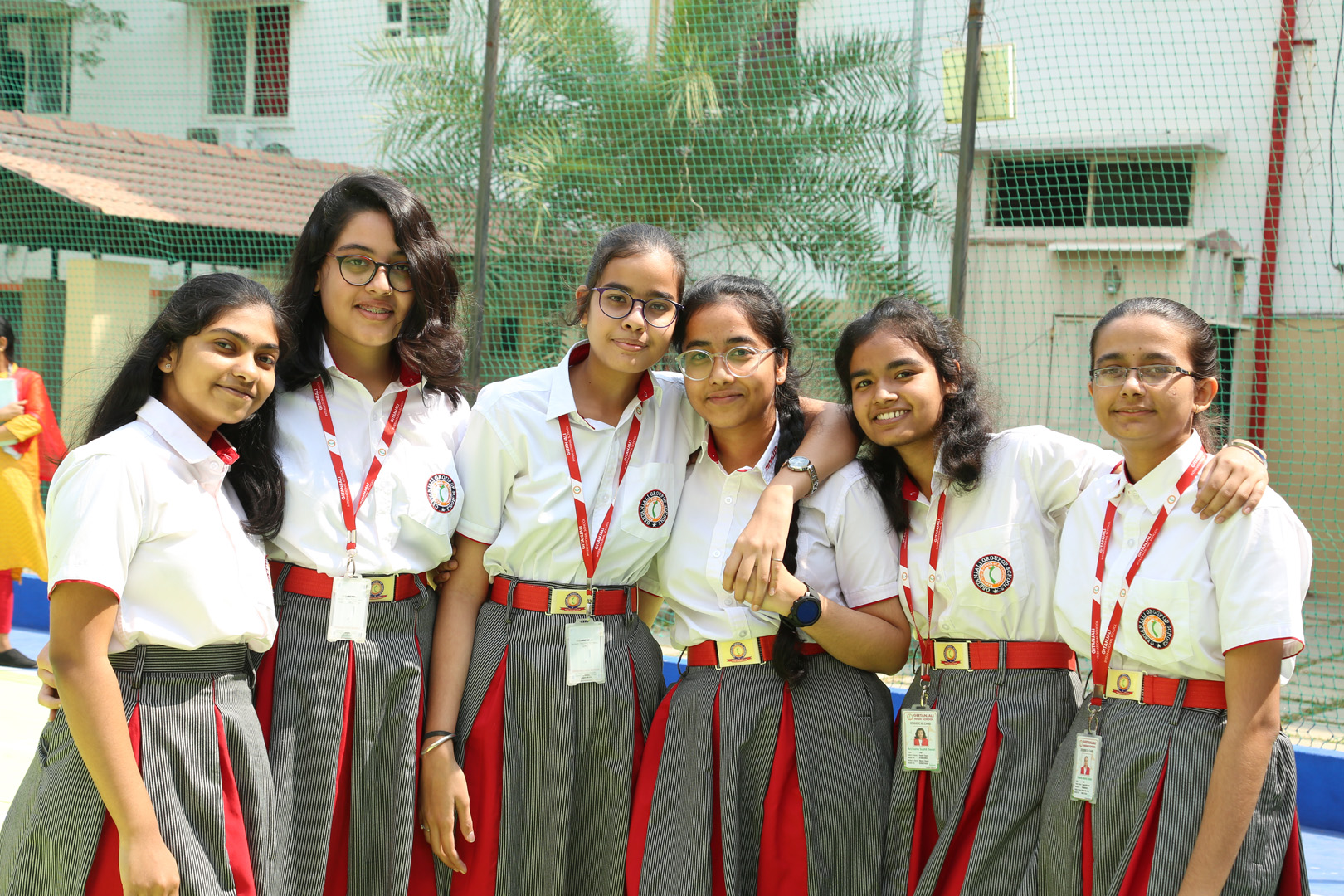
For students at Gitanjali International School Kompally, the development of strong links between their curriculum and citizenship occurs through the recognition of National Voters’ Day as a valid day of opportunity. In social science classes, students study the basic framework of the Indian Constitution; the duties performed by the Election Commission; and the concept of universal adult suffrage. Discussions regarding current events, evaluating policy or legal issues and studying the operation of democratic systems throughout the world often lead to interaction between teachers and students.
Through discussions and reflective writing activities during class, students begin to recognize that the process of selecting leaders requires them to have knowledge about, do research about and think ethically about leadership election processes.
Experiential Learning: Democracy in Action
The purpose of experiential learning is to demonstrate the way in which democracy operates by providing students with an opportunity to engage in democratic processes. For example, mock elections provide students with an opportunity to take abstract ideas about voting and turn them into meaningful experiences. In mock elections, students can create campaign posters, present manifestos, make speeches to voters, and vote using secret ballot procedures.
Through these experiences, students learn:
- How to engage in fair campaign practices
- How to respect diverse opinions
- How to hold their leaders accountable for their actions
- That every individual’s vote has value
Experiential learning encourages students to understand that democracy can only thrive when individuals are engaged in a respectful, informed manner.
Student Leadership and Responsibility
The school demonstrates democratic values through its daily operations which extend beyond special observances. The student council elections together with house captain selections and committee leadership roles use established procedures which resemble actual voting systems. The platforms enable students to acquire knowledge about transparency and representation together with their shared duty to their organization.
Gitanjali International School Kompally practices leadership as a form of service. Students understand that being elected is not about authority but about responsibility toward peers. The students develop empathy and fairness together with integrity through their early ethical leadership training which serves as vital skills for future voters and leaders.
Long-Term Impact on Character and Future Readiness
Research consistently indicates that civic habits formed during adolescence influence adult engagement in democratic processes. When children are taught the importance of voting and critical evaluation from a young age, they are more likely to become active, informed citizens.
The long-term impact includes:
- Strong decision-making abilities
- Critical thinking skills
- Ethical reasoning
- Awareness of societal issues
- Confidence in expressing informed opinions
Among the best schools in Hyderabad, institutions that integrate civic education seamlessly into academic and experiential learning stand apart not through promotion, but through purpose-driven education. By nurturing awareness, responsibility, and leadership, schools contribute meaningfully to society’s democratic foundation.
A Future Where Every Vote Counts
Ultimately, National Voters’ Day serves as a reminder that the continued strength and vitality of our democratic way of life depends upon our continued participation through voting. Every vote of every person contributes to shaping public policy in areas such as education, employment, sustainability, and national economic development. When students are encouraged to take these responsibilities seriously, they will be more likely to make informed, thoughtful decisions as future voters when their turn arrives, based upon their own research, values, and conscientious thought.
Through ongoing participation in civic life and providing opportunities for learners to reflect on past experiences and exercise leadership by participating in civic activities such as voting, the educational system plays an important role in helping young people develop into informed and engaged citizens. At the same time, as future voters continue to develop their self-awareness and confidence, they will help to strengthen our democracy, one informed choice at a time.
FAQ’s
- Why should every citizen use their vote?
Every vote influences leadership decisions that shape education, jobs, laws, and national development. - How can schools create awareness about voting?
Schools conduct discussions, mock elections, debates, and civic education programs to build awareness. - How does learning about voting benefit students in the long term?
It develops critical thinking, ethical decision-making, leadership skills, and responsible citizenship.