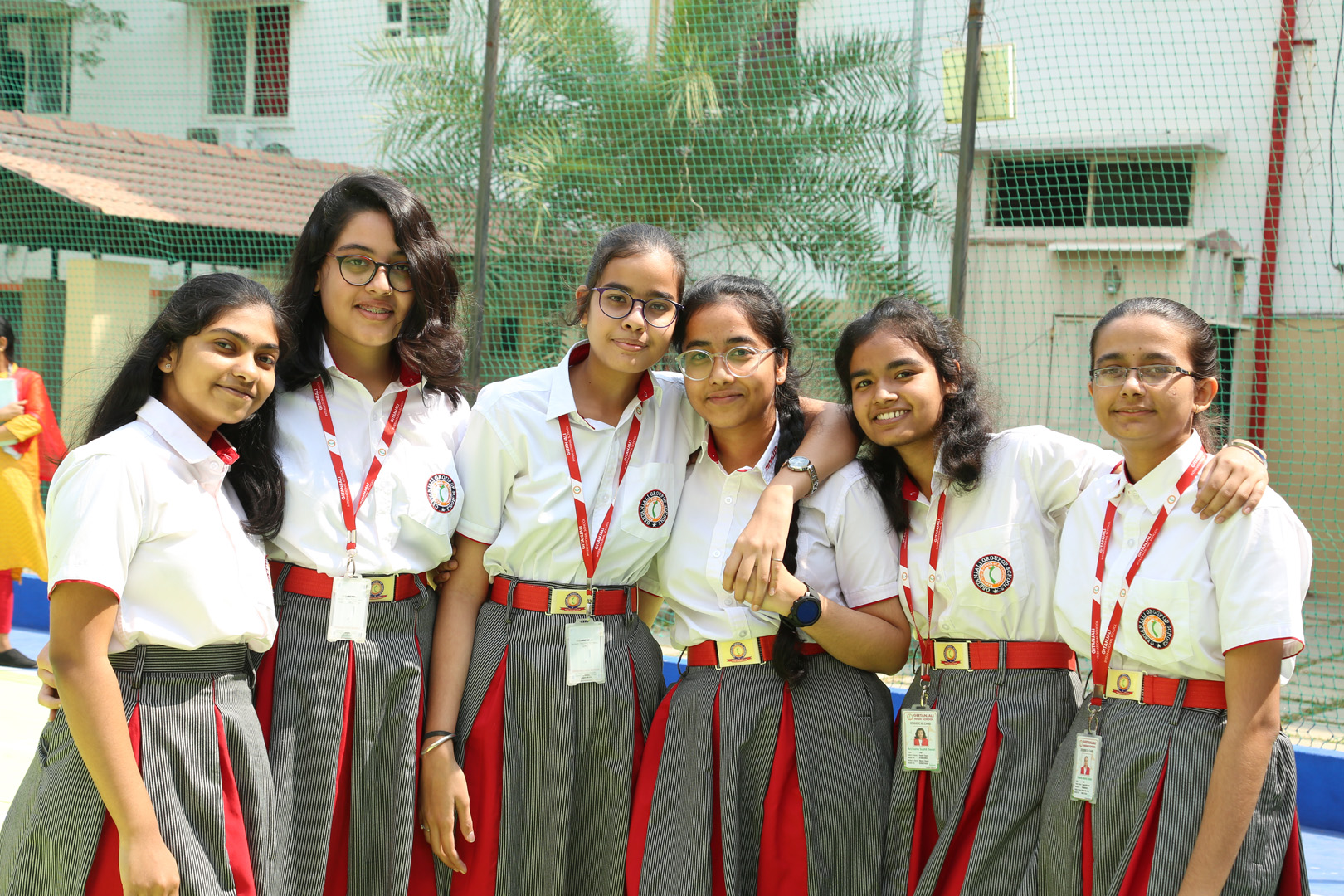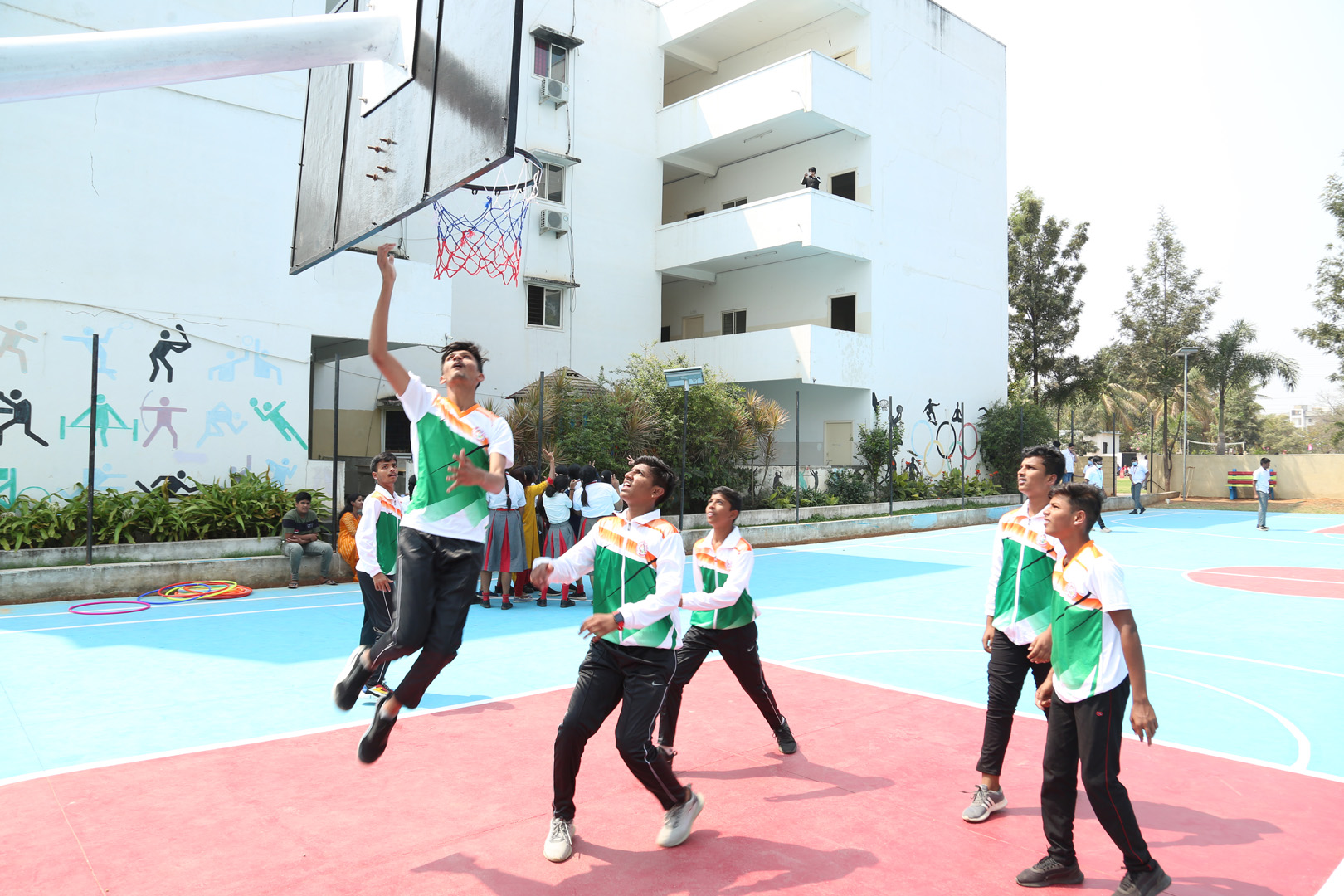

What if the future caretakers of our Earth are already the ones sitting among us in the current classrooms?
If the responsibility of protecting the planet lies with today’s children, then the real question becomes when and how should this journey begin?
The environmental issues our world has to tackle are formidable, and teaching kids the importance of wildlife conservation as a life-long lesson from the very beginning is, thus, a necessity. The school, primarily, imparts to the children the ways of seeing, loving, and getting along with the natural world.
At Gitanjali International School-Kompally, Hyderabad, one of the best cbse international schools , the Wildlife Conservation Day is not only a day in the calendar it is, rather, a change in the life of the learners turning their curiosity into responsibility and awareness into the lifetime of actions.
The Case for Starting Wildlife Conservation Education Early :
Kids’ interest in animals, jungles, and nature is almost innate. If curiosity is properly handled, it leads to the development of empathy, moral obligation, and conscious participation.
Childhood is the stage where values are formed and habits take root. When conservation awareness is introduced early, it doesn’t remain a lesson — it becomes a mindset. This is why schools must begin wildlife education at the very start of a child’s learning journey.
Why early exposer shapes life long environmental responsibility
- Fosters emotional connections with the natural world
- Gives children the power to make the right choices
- Provides the basis for the formation of good habits that will last throughout their lifetime
- If the schools start early, they will be able to lay down the foundation upon which the
students will grow to be responsible environment-concerned people.
Once this early awareness is planted the next step is to nurture it within the school environment through the way children learn every day
Creating an educational environment that promotes responsibility
Gitanjali International School Kompally has made it the order of the day to integrate environmental education with academic excellence. One of the leading CBSE schools in Hyderabad.
The students are not in a restricted environment with textbooks. They are rather actively engaged in discovering the real-life environmental problems and challenges in the context of their own lives through interactive, inquiry-based learning which fosters both understanding and critical thinking.
Teaching Kids Responsible Environmental Practices
- Learning through Integration with Visual & Demonstration Tools
- The disciplines such as biology, geography, and environmental studies are these:
- Models and charts
- Audio-visual presentations
- Interactive displays in classrooms that encourage participation.
With this method, students can easily and interestingly understand animal habitats, food chains.
and the threats to the environment.
- Grasping the Real-World Conservation Problems
The pupils get to know the difficulties of certain species like birds, tigers, and marine turtles. They get to know how the actions of human beings-both good and bad-affect the animals and thus get a better understanding of the real cost of conservation.
- Imaginative Works That Create Compassion
Participatory projects let the kids bring out their imagination and at the same time their understanding gets deeper
- Habitat sketching
- Creating 3D models and making dioramas
- Researching and making presentations on endangered species
If students are creating and imagining wildlife, then conservation is personal and important to them.
While classroom learning helps children understand wildlife and develop empathy, true conservation thinking deepens when students step outside books and begin to experience nature directly.
How do we do it ?
1 . Experiential Learning: Transforming Awareness into Action
The real comprehension comes from the encounter. At Gitanjali International School, the How we do it children get to come out of the classroom and get the nature experience firsthand.
Some of the activities are:
Plantation Drives: The children are involved in the planting of trees and they take care of them and thus they are the witnesses of the growth of the trees.
Nature Walks: They take note of the birds, insects, and plants and the purpose is to understand the ecosystems.
Biodiversity Surveys: They are engaged in the recording of local flora and fauna.
Field Trips: They have been to zoos, wildlife preserves, and botanical gardens.
Sustainable Practices: They are taught about recycling, waste management, and daily habits that are unfriendly to animals.
Creative Awareness: They make posters, slogans, and projects in wildlife photography.
As children repeatedly engaged with such hands on experiences they confidence frows they are no longer just participates – they are ready to talk initiative and lead conservation efforts within the school
2.Eco Club: Where Awareness Becomes Leadership
The school Eco Club encourages the students to take to the forefront in the
environment-friendly activities:
- Utilizing less plastic on campus
- Water and electricity conservation
- “Green Classroom Days” to be setup
- Bird feeders and butterfly gardens to be made
- Eco-friendly products to be created
- Getting involved in Earth Day and national environmental movements
students through these activities, lead, and develop the skill of working, good communication as well as taking responsible actions, thus they are coming up as the new generation that adopts the green way of living.
This Exposer shapes who the children are- building values that influence their choices for beyond school life.
Character Building Through Environmental Ethics
Gitanjali International School’s environmental education caters not only imparting knowledge but also shaping the character
Being responsible: Planting the provided trees and keeping the parks clean
Showing empathy: Realizing the difficulties faced by the animals
Practicing sustainability: Using the least resources and discarding the least
Foresight: Considering the long-term impact of daily actions
Respect for Life: Appreciating all living beings
These lessons become ingrained in students’ personalities, influencing their lifelong values and choices.
Building Tomorrow’s Environmental Leaders Today
At Gitanjali International School, Wildlife Conservation Day acts as a reminder to all that the change starts where it is. Every tree born, project completion, and lesson learned turns a child into a planetary steward armed with a strong sense of responsibility and care with the help of the school that creates awareness, motivates, and provides the foundation of lifeskiss, there is a new breed of young nature protectors the generation that is ready to take the world to a greener, kinder, and more sustainable future.